
The clerk of courts Duval plays a key role in keeping the Duval county court running smoothly. This office manages many administrative tasks that support judges, attorneys, and residents. The clerk handles a wide range of documents, including filings, certificates, and other official records Duval clerk manages daily. Because these records are central to court operations, the clerk helps ensure accuracy, accessibility, and transparency for everyone who needs information.
The clerk also provides essential services that many people rely on, such as certified copies, document certification, and passport support. By maintaining secure and organized records, the office helps residents find the documents they need without confusion or delay. Whether you are requesting a copy, checking a certificate, or learning how court documents are stored, the clerk’s office serves as a trusted point of contact and a clear source of guidance within the court system.
What Is the Duval County Clerk of Courts?
The Duval County Clerk of Courts serves as the administrative backbone of the county’s judicial system. This office ensures that court proceedings run smoothly by managing filings, paperwork, and certifications. Residents often contact the clerk when they need official documents, certified copies, or guidance on accessing court records. By maintaining accurate and organized records, the clerk’s office plays a vital role in keeping the Duval County Court system efficient and transparent.
The clerk’s responsibilities extend far beyond basic filing. Acting as both a judicial clerk and record keeper, the office supports judges and court staff by:
- Maintaining secure and organized court documents
- Supervising daily administrative operations
- Ensuring timely processing of filings to reduce delays
Residents rely on Duval County Clerk services for a variety of needs, including certified copies, passport applications, and access to civil, criminal, or probate records. By providing clear guidance and dependable record management, the clerk’s office helps ensure that individuals can obtain the information they need quickly and accurately.
How to Request Records from the Duval County Clerk of Courts
The Duval County Clerk of Courts allows residents to access a wide range of official records, including civil, criminal, probate, and deed files. The process is straightforward when using the official records tool. You can access it directly here:
Official Website (naked URL): https://www.duvalclerk.gov
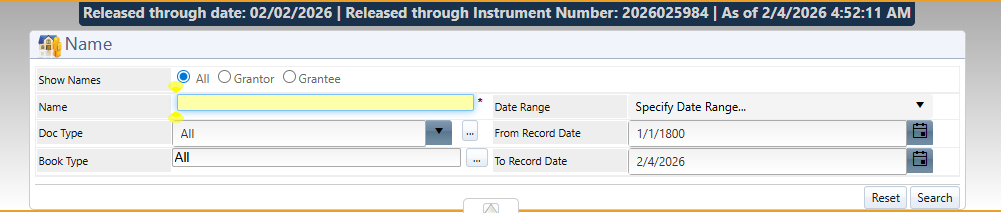
Access the Official Records Search URL
- Open your web browser and go to https://www.duvalclerk.gov.
- On the homepage, locate the “Records” or “Official Records Search” section.
- Click the link to open the search tool for court and official records.
Choose the Record Type
The clerk offers multiple categories of records. Before searching, identify the type you need:
- Civil Cases – Lawsuits, judgments, small claims, family law.
- Criminal Cases – Felony and misdemeanor cases.
- Probate Records – Wills, estates, guardianships.
- Official Records / Deeds – Property deeds, mortgages, liens.
- Certificates – Marriage, birth, or death certificates.
Search for Records
Once you’ve selected the record type, you can search using multiple methods:
- By Name:
- Enter the full name of the individual or entity involved in the case or record.
- Use proper spelling to ensure results are accurate.
- By Case Number or Document Number:
- If you already have a reference number, this is the fastest search method.
- By Date Range:
- Narrow your search to specific filing dates if you don’t know the exact name or case number.
- Advanced Search Options:
- Many records allow filters such as case type, filing status, or document type.
Review Search Results
- After searching, a list of matching records will appear.
- Click on the specific record to view detailed information, such as parties involved, case status, or document descriptions.
- Confirm that this is the correct record before requesting a certified copy.
Request a Record
The clerk offers multiple methods to request records:
- Online Request:
- Select the record and click “Request Certified Copy” or “Order Document”.
- Fill in your contact information and mailing address.
- Pay the applicable fees online (credit/debit card accepted).
- In-Person Request:
- Visit the Clerk’s office at the address listed on https://www.duvalclerk.gov.
- Provide the record information and pay any fees at the counter.
- Mail Request:
- Download and complete the request form from the website.
- Include payment (check or money order) and mail it to the Clerk’s office.
Pay Fees
- Fees vary depending on the record type and whether you request a certified copy or plain copy.
- Typical fees:
- Certified copies: $1–$15 per document
- Search fees: $1–$5
- Payment is required before processing.
Receive Your Record
- In-person requests are typically available immediately.
- Online orders are often delivered via email or secure download link.
- Mail orders may take 5–10 business days depending on processing and delivery.
Duties and Responsibilities
The Duval County Clerk of Courts is a crucial part of the local judicial system. This office manages and safeguards a wide range of documents that ensure court proceedings run smoothly. From maintaining official files to issuing certified copies, the clerk’s office provides reliable access to records while supporting judges, attorneys, and the public. By organizing information and maintaining clear procedures, the office helps citizens navigate legal processes efficiently and builds trust in the court system.
Record Maintenance
The clerk’s office is responsible for storing and protecting all court documents so they remain accurate and accessible. Proper record maintenance ensures that judges, attorneys, and the public can rely on up-to-date information at any time. It also prevents errors, delays, or loss of important legal documents. Maintaining these records in a secure and organized system is essential for the integrity of the judicial process.
Key tasks include:
- Organizing civil, criminal, probate, and official records
- Protecting sensitive documents from unauthorized access
- Ensuring quick retrieval for court staff and the public
Document Filing
The clerk receives, logs, and organizes filings submitted by the public and legal professionals. Efficient filing systems reduce administrative errors and speed up court processes. By carefully managing incoming documents, the office ensures that every filing is recorded properly and can be accessed when needed. This helps maintain smooth operations in the court system.
Main responsibilities include:
- Logging new case filings accurately
- Categorizing documents by type and case number
- Maintaining physical and digital filing systems for accessibility
Court Administration
Supporting day-to-day court operations is another key duty of the clerk’s office. This includes managing administrative procedures, assisting with scheduling, and coordinating notifications. Effective court administration helps judges and staff focus on judicial duties while reducing delays and procedural confusion.
Administrative support includes:
- Scheduling hearings and court sessions
- Preparing documents for judges and court staff
- Handling office procedures that ensure operational efficiency
Case Management Support
The clerk keeps case information updated and organized to support judges and staff in tracking case progress. Accurate case management ensures deadlines are met and court proceedings move forward efficiently. This function is vital for maintaining a transparent and effective legal process.
Case management tasks include:
- Monitoring filings and procedural deadlines
- Updating case records in digital and physical systems
- Coordinating with court staff to prevent delays
Legal Documentation
Issuing certified copies and handling official legal documents is another essential role of the clerk. These services allow residents, attorneys, and businesses to obtain necessary documents for legal and personal purposes. The clerk ensures these documents are accurate, properly certified, and securely delivered.
Key duties include:
- Issuing certified copies of judgments, deeds, and probate documents
- Managing requests for official certificates and legal filings
- Ensuring documents meet legal standards for authenticity
Fees Charged by the Duval County Clerk of Courts
The clerk’s office charges fees for services such as filing documents, accessing court records, issuing certified copies, recording deeds, and passport acceptance. These fees support record maintenance, office operations, and public service, ensuring the court system runs efficiently.
| Service / Document | Fee | Notes |
|---|---|---|
| Certified copies of court records | $2.00 per instrument | Civil, criminal, probate, family cases |
| Photocopies (standard size) | $1.00 per page | Regular document copies |
| Photocopies (larger documents) | $5.00 per page | Oversized documents |
| Exemplified certificates | $7.00 | Signed and sealed |
| Search of records | $2.00 per year searched | Digital or physical search |
| Issuing & filing subpoenas | $7.00 | Court-issued subpoenas |
| Signing and sealing (oath/affidavit) | $2.00 | Notarized or certified documents |
| Sealing or expunging court file | $59.00 | Legal restriction on public access |
| Circuit Civil filing | $401.00 | Filing a new civil case |
| Additional summons issued | $10.00 each | When extra parties are served |
| Small Claims up to $100 | $55.00 | Filing a small claims case |
| Small Claims $101–$500 | $80.00 | Filing a small claims case |
| Recording – first page of document | $10.00 | Official record filings |
| Each additional page | $8.50 | Multi-page documents |
| Indexing additional names (after 4) | $1.00 per name | Property or legal documents |
| Clerk passport acceptance fee | $35.00 per application | Optional passport photo: $18 |
| eCertified copies (online) | $2.00 certification + $6.00 processing | 3.5% credit/debit card fee applies |
Passport Services Provided by the Clerk
The Duval County Clerk of Courts offers convenient passport services to help residents complete applications efficiently and accurately. The office guides applicants through every step, verifies identification, and ensures all forms are submitted correctly. By providing on-site passport photos, application support, and fee collection, the clerk allows residents to complete the entire process in one visit. Staff members are available to answer questions and clarify requirements, reducing stress and preventing errors. These services make obtaining a passport straightforward, reliable, and time-saving.
Passport Application
Submitting a passport application at the clerk’s office is designed to be simple and user-friendly. Staff members assist applicants with completing the forms correctly and verifying identification. This support ensures that applications meet federal requirements, reducing the risk of delays or rejections. Whether applying for a first-time passport or renewing an existing one, the clerk’s team guides residents through each step.
Key Points:
- Staff review and assist with all application forms.
- First-time and renewal applications are accepted.
- Identification documents are verified for accuracy.
Passport Photos
The clerk office provides on-site passport photos that meet U.S. government standards. Applicants do not need to worry about finding a separate photography service, as the county jail office ensures photos comply with official size and quality requirements. This service is fast, convenient, and included as part of the passport application process.
Key Points:
- Photos are taken according to federal guidelines.
- Quick, on-site service eliminates the need for external photography.
- Staff ensure the photo meets all requirements for acceptance.
Passport Fees
Residents can pay all passport fees directly at the clerk’s office, streamlining the application process. The fees include the Clerk’s acceptance fee and any optional services, such as photos. Applicants also pay the U.S. State Department fee, which varies depending on passport type. Accepting all fees in one place saves time and ensures applications are processed efficiently.
Key Points:
- Clerk acceptance fee: $35 per application
- Optional passport photo: $18
- U.S. State Department fees are separate and required for issuance
- Payment can be made in person via credit/debit card, check, or money order
Clerk Passport Office Assistance
The passport desk at the clerk’s office provides guidance and answers any questions applicants may have. Staff help ensure that forms are complete, identification is correct, and all fees are paid. This personal assistance reduces errors, avoids delays, and gives applicants confidence that their passport application will be processed successfully.
Key Points:
- Dedicated staff assist at a designated passport desk
- Questions about forms, documents, and fees are answered
- Staff help streamline the process to minimize wait times avoiding delays.
How the Clerk Supports Transparency & Public Access
The Duval County Clerk of Courts plays a vital role in promoting open government and ensuring public trust. By managing official records and providing clear access paths, the clerk helps residents, attorneys, and researchers find information quickly and confidently. The office balances transparency with security, protecting sensitive information while still offering accessible records. Clear procedures and reliable services allow users to navigate the court system efficiently, reinforcing the integrity and credibility of the judicial process.
Providing Accurate Public Documents
The clerk ensures that all public documents are accurate, up-to-date, and available for review. This allows residents and businesses to rely on the information for legal, personal, or professional purposes. Accurate recordkeeping prevents misunderstandings, promotes fairness, and supports the overall transparency of government operations.
Key Points:
- Maintains official civil, criminal, probate, and property records
- Updates records regularly to reflect the most current information
- Ensures users can access documents confidently for legal or personal needs
Supporting Open Government
By organizing records and maintaining easy-to-use systems, the clerk supports open government practices. The office provides accessible filing systems, online search tools, and in-person assistance so that information is reachable for anyone who needs it. These practices reinforce trust in the judicial system by showing that records are managed openly and consistently.
Key Points:
- Keeps records well-organized and easy to locate
- Provides both digital and physical access options
- Encourages public trust through accessible and transparent procedures
Ensuring Clear Procedures
Transparency is strengthened when the public understands how to access records and what steps are required. The clerk’s office provides clear instructions, guidance, and explanations, reducing confusion and ensuring that users know how to request certified copies or view case files.
Key Points:
- Publishes instructions for record requests and searches
- Provides guidance for online, in-person, or mail requests
- Clearly communicates fees, timelines, and required documentation
Offering Accessible Pathways
The clerk promotes accessibility by providing multiple avenues for record access. Whether using online search tools, visiting the office in person, or submitting requests by mail, users can choose the method that works best for them. This flexibility helps ensure that everyone can obtain the records they need efficiently.
Key Points:
- Online access to official records via https://www.duvalclerk.gov
- In-person services at the clerk’s office
- Mail-in requests for those unable to visit physically
Educating and Guiding Users
In addition to providing access, the clerk office educates residents and businesses on what documents are available and how to request them properly. By explaining processes, the office reduces errors, prevents unnecessary delays, and promotes a transparent experience for everyone.
Key Points:
- Offers explanations and guidance for requesting records
- Helps users understand the types of documents available
- Supports businesses, researchers, and residents in accessing information clearly
How the Clerk Supports Transparency & Public Access
The Duval County Clerk of Courts ensures that the court system is open, accountable, and accessible to the public. While judges focus on legal decisions, the clerk manages the administrative work that keeps the court running efficiently. This clear division allows the judicial process to remain fair, organized, and consistent. By maintaining accurate records and providing guidance, the clerk office helps residents, attorneys, and researchers navigate the system confidently. Transparency and dependable service are central to the office’s mission.
Relationship Between the Clerk and Judges
Judges and the clerk hold distinct but complementary roles within the court system. Judges focus on interpreting laws and issuing rulings, while the clerk manages documents, schedules, and public records. This separation allows each office to operate efficiently without overlapping responsibilities. Residents and legal professionals benefit from this arrangement because it ensures both accurate case administration and fair judicial outcomes.
Key Responsibilities of Each Office:
- Clerk: Files documents, maintains case records, manages public access, oversees administrative tasks.
- Judges: Make legal decisions, preside over hearings, interpret laws, issue rulings.
- Collaboration: Both offices work together to ensure smooth case progression and reliable recordkeeping.
Administrative vs. Judicial Authority
The clerk holds administrative authority, which includes managing paperwork, filing, record storage, and providing essential public services. Judges hold judicial authority, responsible for applying the law and issuing decisions. Keeping these authorities separate reduces confusion and strengthens public trust. Clear boundaries help the public know where to go for administrative support versus legal rulings, creating a transparent and efficient court system.
Administrative vs. Judicial Roles:
- Administrative (Clerk): Filing, recordkeeping, scheduling, document certification.
- Judicial (Judges): Hearing cases, interpreting laws, issuing rulings.
- Purpose: Separation ensures fairness and clarity in court operations.
Why the Clerk Is Non-Judicial
The clerk does not make legal rulings or influence case outcomes. Instead, the office supports court operations by maintaining accurate files, processing filings, and providing services to the public. This non-judicial function helps residents know exactly where to go for records, certifications, or general inquiries. By focusing on administrative duties, the clerk ensures that the Fourth Judicial Circuit functions smoothly and reliably.
Key Non-Judicial Services:
- Maintaining accurate case files and public records
- Assisting residents and attorneys with certified copies and filings
- Guiding users on accessing court documents efficiently
- Ensuring procedural consistency without interfering with legal rulings
How Records Flow Through the Clerk’s Office
Every case entering the Duval County Court system passes through the clerk’s office for filing, storage, and management. Staff organize documents, update case information, and maintain public access while protecting sensitive details. This systematic handling of records ensures transparency while safeguarding confidential information. Residents, attorneys, and researchers can access accurate records efficiently, supporting trust in the judicial system.
Record Flow Highlights:
- All case documents are received and logged by clerk staff
- Records are updated regularly and stored securely
- Public access is provided online, in person, or by mail
- Confidential information is protected while maintaining transparency
Office Locations & Contact Information
Finding the Duval County Clerk of Courts office should be straightforward. The office serves as the central point for requesting records, obtaining certified copies, completing filings, or asking questions about court services. By providing clear contact information, office locations, and hours, the clerk ensures residents and legal professionals can access services efficiently. Knowing where to go and how to reach staff reduces confusion and helps the public complete tasks without unnecessary delays.
Clerk Office Address
The primary Duval County Clerk of Courts office serves the Fourth Judicial Circuit and handles official documents, certifications, and public record requests. Residents can visit the office during regular business hours for in-person assistance, or contact staff to confirm procedures before their visit. Having a central location ensures that all services are coordinated and records are processed consistently.
Address & Location Details:
- Duval County Clerk of Courts – Main Office
- 501 W Adams St, Jacksonville, FL 32202
- Convenient parking and public access
- Office clearly marked for public services
Contact Clerk
If you need assistance, the clerk team is available by phone or email. Staff members can explain services, clarify fees, and guide you through the process of requesting records or filing documents. Reaching out before visiting the office can save time and ensure you bring the correct documents and payment.
Ways to Contact the Clerk:
- Phone: (904) 255-2000
- Email: Clerk Email Contact
- Staff can provide guidance on requesting certified copies, filing procedures, or locating case information
Phone Number & Hours
The office phone number connects residents directly with a representative who can answer questions, confirm service availability, and provide directions if needed. Office hours follow a standard weekday schedule, so checking them before your visit helps avoid unnecessary delays. Some services may require appointments, especially for passport applications or specialized record requests.
Office Hours & Phone Info:
- Phone: (904) 255-2000
- Monday – Friday: 8:00 AM – 5:00 PM
- Closed on weekends and federal holidays
- Special services (passports, certified copies) may have separate hours
Frequently Asked Questions
The Duval County Clerk of Courts helps residents access public records, complete official tasks, and understand court-related services with confidence. Many people have similar questions when dealing with court records or clerk services. This section answers the most common questions in a simple and clear way so users can quickly find the information they need without confusion.
What does the Duval County Clerk of Courts do?
The Duval County Clerk of Courts manages official court documents and maintains accurate records for civil, criminal, family, and probate cases. The office also provides services such as issuing certified copies, processing filings, and offering passport assistance. While judges handle legal decisions, the clerk focuses on administrative and recordkeeping duties. This support helps keep the court system organized, efficient, and transparent. Residents rely on the clerk for dependable access to official information.
How can I request a certified copy from the clerk?
Certified copies can be requested online, in person, or by mail, depending on your preference. Online requests are often the fastest and most convenient option, especially for standard records. Visiting the office in person allows you to speak directly with staff and receive guidance. Mail requests are also available but may take longer to process. All request methods require proper identification and payment of the applicable fee.
Are records available to the public?
Yes, many records handled by the Duval County Clerk of Courts are available to the public. These include most civil, criminal, and official court documents. However, some records are restricted by law to protect privacy, such as juvenile cases or sealed filings. Clerk staff can explain which documents are public and which are confidential. This balance ensures transparency while safeguarding sensitive information.
What services does the clerk office offer besides record copies?
In addition to providing record copies, the clerk’s office offers several important services. These include document filing support, certification services, and passport application assistance. The office also helps with case management tasks and official record processing. By offering multiple services in one location, the clerk helps residents complete official paperwork efficiently. This reduces the need to visit multiple government offices.
Where is the clerk’s office located and what are the hours?
The main Duval County Clerk of Courts office is located in downtown Jacksonville. The office generally operates during standard weekday business hours. Because hours may vary for certain services, such as passport processing, it’s best to check the official website or call ahead. Confirming hours before visiting helps avoid delays and ensures the service you need is available.
Who can I contact if I need help?
If you need assistance, clerk staff are available by phone and in person. Team members can answer questions about record requests, fees, office hours, and available services. They can also guide you through the correct steps to complete your request. Reaching out to the clerk’s office helps ensure your task is handled quickly and correctly.