Duval County public records provide residents and visitors with easy access to important government information. These records include property records, permits, licenses, and official documents maintained by county offices. Accessing these records helps people stay informed about local government decisions and activities. By knowing how to request and use these documents, residents can make better decisions and engage more effectively with their community. Transparency and accountability are the main goals of making these records available to the public.
Duval County public records are governed by Florida’s Sunshine Law, which ensures most government documents are open to public review. While most information is accessible, some sensitive details, like Social Security numbers or certain law enforcement records, are protected for privacy. Understanding which records are public and which are restricted can save time when making requests. Whether for research, personal matters, or professional purposes, these records give residents a practical way to stay informed and involved in local governance.
Duval County Official Records Online
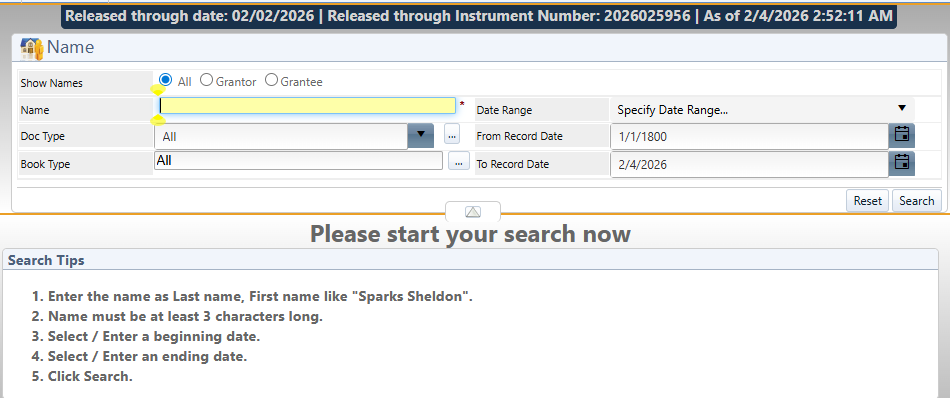
Duval County Official Records are accessible through the county’s online portal, allowing residents and businesses to view important documents anytime. The Duval County Court portal provides digital access to deeds, liens, mortgages, plats, and other official records maintained by the Duval County Clerk of Courts. Using this online system simplifies searches and saves trips to the clerk’s office.
Users can search by name, document number, date, or type of record, making it easy to find the information they need quickly. Most records are available in PDF format for viewing or download. The system ensures transparency and helps residents, real estate professionals, and legal representatives access accurate and up-to-date information efficiently.
Steps to Use the Online Records Portal
For extensive searches, create an account to save search preferences and track documents.IA request process and make your Florida public record request easier for staff to handle, which leads to a quicker and more accurate reply.
- Visit the https://or.duvalclerk.com.
- Select the type of record you want to search.
- Enter relevant search criteria, such as names, document numbers, or dates.
- View or download the available records in digital format.
Florida Public Records Law & FOIA
Florida public records law ensures residents have the right to access government information, promoting transparency and accountability. Through a Florida public record request, anyone can request documents, communications, and data maintained by government agencies, including courts and county offices. These laws help make government actions more transparent while protecting sensitive personal information. In Duval County, public records requests are handled by the Clerk of Courts, which manages court files, official records, and related public documents following established procedures to provide information efficiently.
Sunshine Law
The Sunshine Law requires that meetings, records, and decisions by public bodies be open and accessible to the public. This ensures that citizens can monitor government actions, participate in local governance, and hold officials accountable. Documents overseen by Clerks of Court, such as meeting minutes and resolutions, fall under this law, guaranteeing transparency for public operations.
Florida Open Records Act
The Florida Open Records Act allows the public broad access to government-held information while specifying legal exceptions. Residents can request documents for personal, professional, or research purposes. The law makes it easier to verify government decisions and ensures that offices maintain proper documentation.
Key Features:
- Provides access to public documents maintained by county offices
- Specifies statutory exemptions for sensitive or confidential information
- Encourages accountability across all levels of government
FOIA Requests in Florida
Citizens may submit formal FOIA requests to access government records, including those held by the Clerk of Courts or other county departments. Requests must meet submission requirements, such as specifying the documents sought, to ensure timely and accurate responses. These requests give individuals the legal right to review important public information without unnecessary delays.
Tips for FOIA Requests:
- Clearly describe the documents or records needed
- Include relevant dates, names, and departments
- Specify the preferred format (digital or paper)
Response Obligations of Government Offices
Government offices, including Clerk of Court divisions, are required to respond promptly to public records requests. If certain records cannot be released, a written explanation must be provided to explain the restrictions. Understanding this process helps users know what to expect and reduces confusion when records are partially withheld.
What to Expect:
- Timely responses for standard requests
- Written explanations for restricted or exempt records
- Clear guidance on any applicable fees or processing requirements
Exemptions
Certain records are exempt from public release to protect privacy or security. Examples include confidential court filings, personal identifiers, and sensitive security information. Familiarity with these exemptions can prevent unnecessary delays and ensure your request targets accessible records.
Common Exemptions Include:
- Security-related or sensitive law enforcement data
- Social Security numbers and personal identifiers
- Confidential court filings
Fees and Response Times for Open Records Duval
Understanding the fees and response times for open records Duval requests helps you plan ahead, avoid surprises, and know what to expect when accessing public records. While Florida law allows agencies to recover reasonable costs, actual charges can vary depending on the office and type of record requested. Knowing typical fees and turnaround expectations makes your request process smoother and more efficient.
Copying Fees and Administrative Costs
When you request copies of public records in Duval County, the Duval County Clerk of Courts may charge standard fees to cover copying and administrative costs. These fees help offset the expense of producing documents but are generally modest and transparent.
Typical copying and document fees include:
- Photocopies (standard public records): $1.00 per page (8.5″ x 14″ or less)
- Photocopies (larger than 8.5″ x 14″): $5.00 per page
- Certified copies of public records: $2.00 per document
- Searching records (per year): $2.00
- Electronic certified copy (eCertified) online: $2.00 certification fee plus approximately $6.00 processing fee charged by the vendor
Estimated Processing Time
The response time for an open records Duval request depends on several factors, including complexity and volume. Simple requests for recently filed or readily accessible records are typically processed in a few business days. Larger or older records, video files, or records requiring redaction may take longer. Providing clear and specific details in your request can help reduce delays. Agencies often update requestors if additional time is needed or if clarification is required before processing.
What Affects Timing and Cost
Several factors can influence how long it takes to fulfill your request and how much you might pay:
- Staff time: Tasks that require extensive research or copying may incur additional charges.
- Record volume: Larger files usually take longer to copy and produce.
- Record format: Digital records are often faster and cheaper to provide than paper copies.
- Redactions: Removing protected personal information can add time and cost.
Exceptions and Limitations for Open Records Duval
While open records Duval give the public broad access to government information, some records come with clear exceptions and limitations. These rules are in place to protect sensitive information, public safety, and personal privacy, while still allowing access to most government activities. Understanding these restrictions helps you set realistic expectations before submitting a request.
Records That Are Restricted
Certain types of information are protected under Florida law and are not fully available to the public. When requesting records, you may encounter partial access or delays if documents include sensitive details. Common examples of restricted information include:
- Social Security numbers
- Medical records or health information
- Juvenile information
- Active criminal investigation files
- Domestic violence shelter locations
- Financial account numbers
- Certain law enforcement reports
- Security or emergency response plans
Why Some Requests Take Longer
Some requests require additional time for processing due to the volume of documents or the type of information involved. Staff must carefully review records to ensure that restricted content is removed, which can slow down response times.
Common reasons for longer processing include:
- Requests involving very large file sets
- Mixed data containing both public and sensitive personal details
- Requests spanning multiple departments
- Older or archived documents requiring extra handling
Possible Fees
Requests that require extended staff time or detailed redaction may incur additional fees. These charges cover the cost of administrative work and copying. Examples include:
- Fees for certified copies or special document formats
- Copying fees for printed pages
- Administrative costs for extensive redaction or review
Duval County Public Records Location
Accessing Duval County public records is easy, whether in person, online, or by mail. The Duval County Clerk of Courts manages most public records, including court files, deeds, mortgages, liens, and official documents. Knowing the correct location and office to visit can save time and ensure your request is handled efficiently. The main office provides full access to records, while branch offices and online tools offer convenience for specific needs.
Main Public Records Office
The Duval County Clerk of Courts – Public Records & Official Records office is the primary location for accessing and requesting public records. Staff at this office can help locate court files, official documents, and other records that are maintained by county departments. You can also request certified copies or get guidance on online search tools, making it the central hub for record requests.
Location Details:
- Address: 501 West Adams Street, Room 2338, Jacksonville, FL 32202
- Office Hours: Monday–Friday, 8:00 a.m.–5:00 p.m.
- Phone: (904) 255‑1828
Services Available:
- Submit in-person public records requests
- Access court files, deeds, mortgages, and liens
- Request certified copies or assistance with digital records
Satellite Branches
Duval County also has branch offices for certain services, including certified copies, notary services, and limited records access. These locations are convenient for residents in different parts of the county, though not all records are available at every branch. Calling ahead ensures that the services you need are offered at that location.
What Branches Can Help With:
- Certified copies of documents
- Basic public records requests
- Notary and document verification services
Mailing or Email Requests
If visiting in person is not possible, you can submit your request by mail or email. Be sure to include all relevant information, such as names, dates, and document types, along with your contact information. Indicating your preferred format—digital or printed—helps staff process your request quickly and accurately.
Mailing Address:
Duval County Clerk of Courts – Public Records
501 West Adams Street, Room 2338, Jacksonville, FL 32202
Tips for Mail or Email Requests:
- Clearly state if you want digital copies, printed copies, or certified copies
- Provide specific details about the records you need
- Include contact information for follow-up
Frequently Asked Questions
This FAQ section answers the most common questions about Duval County public records. It provides detailed guidance on what records are available, how to request them, potential fees, and expected timelines, helping you navigate the process confidently.
What are public records in Duval County?
Public records are any documents or information created, maintained, or received by Duval County government offices. They include property files, deeds, mortgages, liens, permits, business licenses, financial reports, meeting minutes, emails, court files, and other official documents. While Florida law encourages open access to government information, some records are partially or fully restricted to protect privacy, security, or ongoing investigations. Knowing which documents fall under open access can help you make accurate and effective requests.
How can I request public records?
You can request Duval County public records online, by email, by phone, by mail, or in person at the Clerk of Courts office. To help staff locate records quickly, include clear and specific details such as names, dates, case numbers, or document types. You do not need to provide a reason for your request. For complex requests, a short explanation of the purpose may assist staff in identifying the correct files, but this is entirely optional. Being detailed in your request ensures a faster and smoother process.
Are fees required for access?
Most public records are free to view, but certain requests may involve fees. Costs can include copying, printing, certified copies, scanning, or administrative work for large or complex requests. For example, standard photocopies may cost $1 per page, and certified copies carry additional fees. If a request requires extensive staff time, the office will generally provide a cost estimate before processing. Knowing potential fees in advance allows you to plan and avoid unexpected charges.
How long does it take to receive public records?
The processing time varies depending on the complexity and volume of the request. Simple requests for recently filed or readily accessible records may be completed within a few business days. Requests involving multiple departments, older or archived documents, or records requiring redaction may take longer. Providing detailed information and specifying your preferred format can help reduce delays. Offices usually notify requesters if additional time is needed to ensure accuracy and compliance with legal requirements.
Which records are not available to the public?
Certain records are exempt under Florida law to protect privacy, public safety, and sensitive operations. Examples include medical records, juvenile files, certain law enforcement documents, Social Security numbers, financial account information, and security plans. When a record contains restricted information, staff typically redact the protected portions and release the remainder. Understanding these exceptions helps explain why some requests may be partially fulfilled or take longer to process.
Do I need to live in Duval County to request records?
No, you do not need to reside in Duval County to request public records. Florida law allows anyone, regardless of location, to submit a public records request. Requests can be made online, by mail, by email, or in person. Non-residents have the same rights to access records for personal, research, or professional purposes. This ensures transparency and public accountability throughout the state, not just for local residents.